



Learning Network
Mobilizing knowledge to end gender-based violence
The Learning Network is a knowledge mobilization initiative that bridges the gap between current gender-based violence (GBV) research, practice-based knowledge, and lived experience to enhance the capacity of the GBV sector and movement (e.g., legal help, shelter support, advocacy, education, sexual assault counselling). This knowledge is essential to preventing violence across diverse communities, supporting survivors and allies, and promoting gender equity.
Join the Learning Network Mailing List!
Check Out Our Latest Resources

Beyond Her Strength
The Learning Network is pleased to share Beyond Her Strength, a poem by Kuldeep Ahluwalia. Kuldeep Ahluwalia's bravery and persistence made possible the Supreme Court of Canada's landmark recognition of the tort of intimate partner violence.
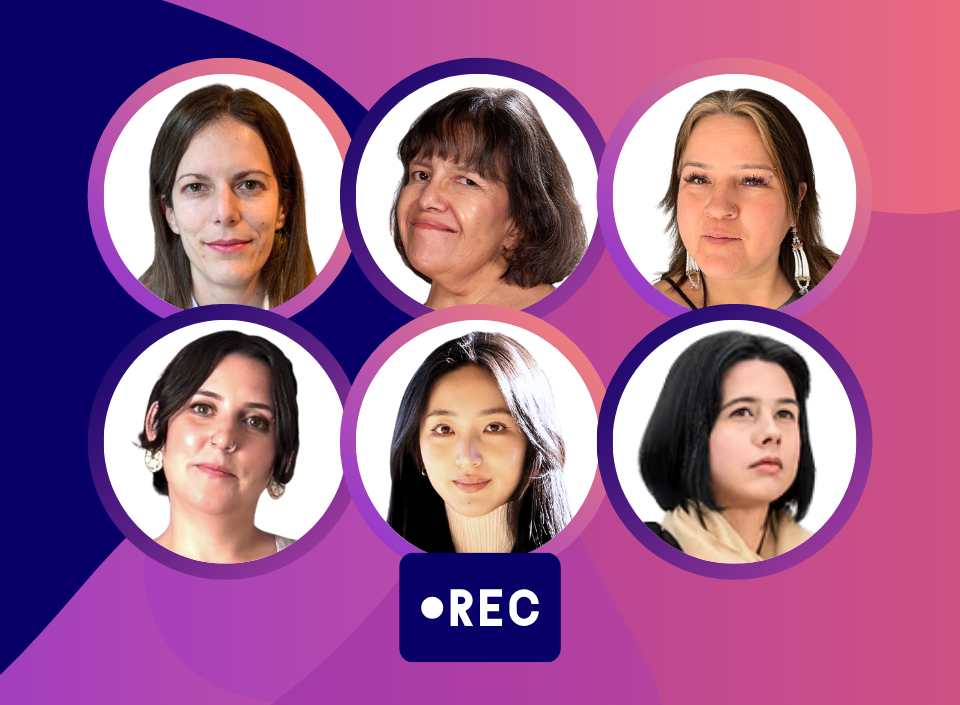
Supporting Safety Together for Survivors and their Children Navigating Child Welfare
This webinar guided participants through the findings and calls to action of West Coast LEAF’s Safety Together: Addressing gender-based violence and the family policing system report. Participants were also introduced to new public legal education materials on knowing your rights during a child welfare investigation in British Columbia (BC), which includes a toolkit for lawyers and parents' guide.

The Tort of Intimate Partner Violence (IPV) in Canada: The Supreme Court’s Landmark Ruling in Ahluwalia v. Ahluwalia, and What it Means for Survivors of IPV
This webinar looked at the history of the groundbreaking case Ahluwalia v. Ahluwalia and considered what the majority decision of the Supreme Court of Canada means for survivors of intimate partner violence (IPV) in Canada. Designed for non-lawyers, the webinar helped participants understand how the new tort of IPV and the Ahluwalia decision will impact civil and family law cases, and other proceedings in court and beyond.
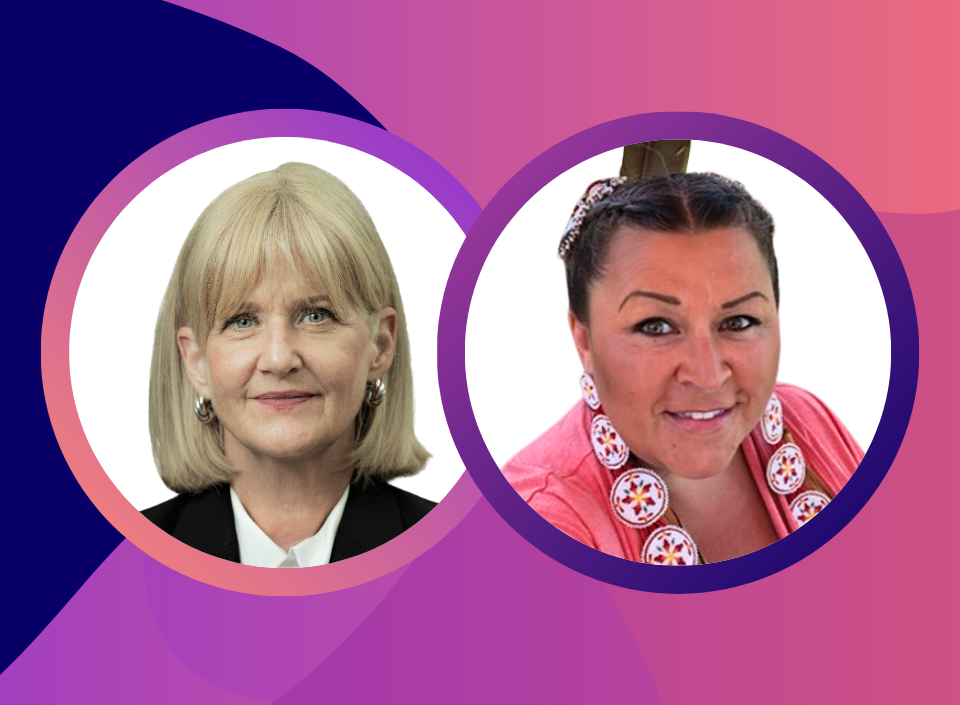
Rethinking the Front Door: Insights from the Ontario and First Nations Incidence Studies on Reported Child Abuse and Neglect 2023
Resources Available!
This webinar explored key findings from the Ontario Incidence Study (OIS-2023) and the First Nations Ontario Incidence Study on Reported Child Abuse and Neglect (FNOIS-2023), including trends in child maltreatment investigations and the overrepresentation of First Nations children in Ontario’s child welfare system.
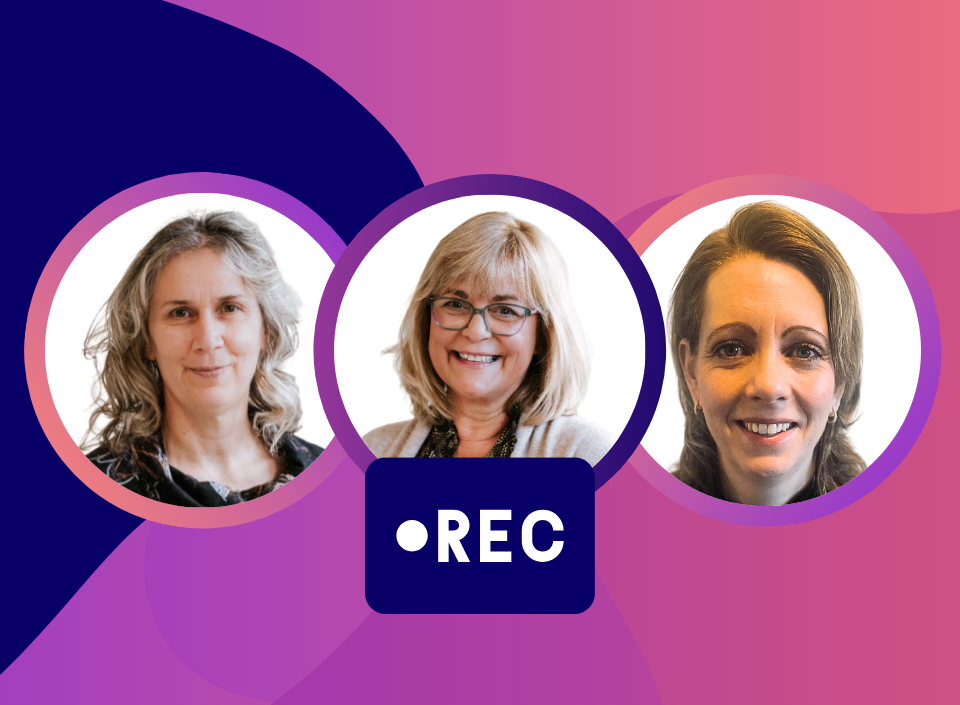
Recognizing the Importance of Family Violence for Children's Best Interests in Family Law Contexts
This LN/KH webinar provided an overview of why family legal professionals should screen for FV, what holds us back and what screening tools will help standardize the process. Moving beyond screening, the panel introduced a new online assessment guide––the e-SAFeR––that is designed to help family law professionals create parenting plan recommendations that account for FV and forefront the safety of the children and the parent who experienced FV.
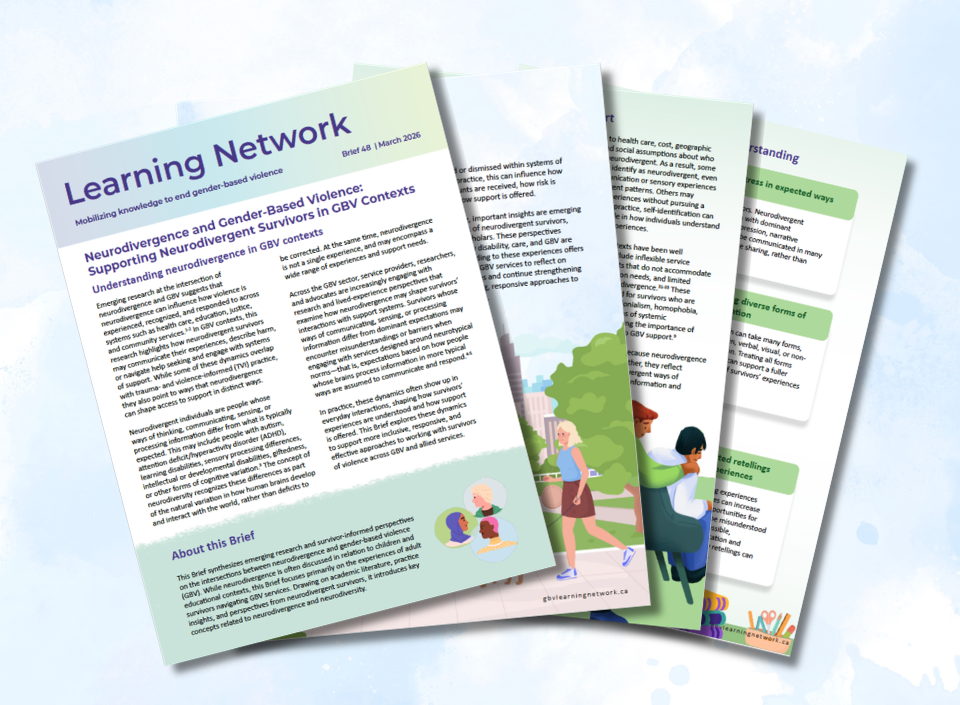
Neurodivergence and Gender-Based Violence: Supporting Neurodivergent Survivors in GBV Contexts
This Brief synthesizes emerging research and survivor-informed perspectives on the intersections between neurodivergence and gender-based violence (GBV). While neurodivergence is often discussed in relation to children and educational contexts, this Brief focuses primarily on the experiences of adult survivors navigating GBV services. Drawing on academic literature, practice insights, and perspectives from neurodivergent survivors, it introduces key concepts related to neurodivergence and neurodiversity.
All our resources are open-access and can be shared (e.g., linked, downloaded and sent) or cited with credit. If you would like to adapt and/or edit, translate, or embed/upload our content on your website/training materials (e.g., Webinar video), please email us at gbvln@uwo.ca so that we can work together to do so.